
Maximize Sales With Custom Shelf Talkers
Walking down a crowded store aisle, shoppers face hundreds of purchasing decisions every minute. Catching their eye requires more than just attractive product packaging. You need strategic visual merchandising that interrupts their routine and directs their focus to your specific promotions. Point-of-sale signage does exactly that, acting as a silent salesperson right at the moment of decision.
In this guide, we will explore how aisle signs elevate your merchandising strategy. You will learn the core benefits of utilizing these promotional tools, how to choose the right materials, and best practices for integrating them into your physical storefront to increase revenue.
The Power of Point-of-Purchase Signage
Effective retail relies on guiding the customer journey from the front door to the checkout counter. When you place a vibrant, informative sign directly on the shelving edge, you create an immediate focal point. These small but mighty marketing tools stick out from the standard product lineup, physically breaking the visual monotony of neatly stacked boxes and bottles.
Why You Need Aisle Edge Displays
Shoppers often wander through aisles in a hurry, scanning for familiar brands or specific items on their grocery lists. A well-placed promotional card disrupts this visual scanning pattern. By protruding slightly into the aisle or hanging directly below a product, the sign forces the customer to pause. That brief pause is all you need to communicate a special offer, highlight a new arrival, or emphasize a unique product feature.
Furthermore, these displays offer incredible flexibility. You can swap them out weekly or even daily to match current sales cycles, seasonal events, or inventory clearance goals. They require no floor space, making them perfect for compact stores where every square inch matters.
Exploring the Best Retail Marketing Tools
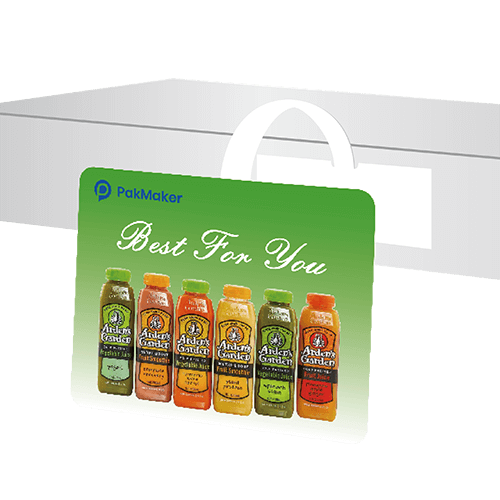
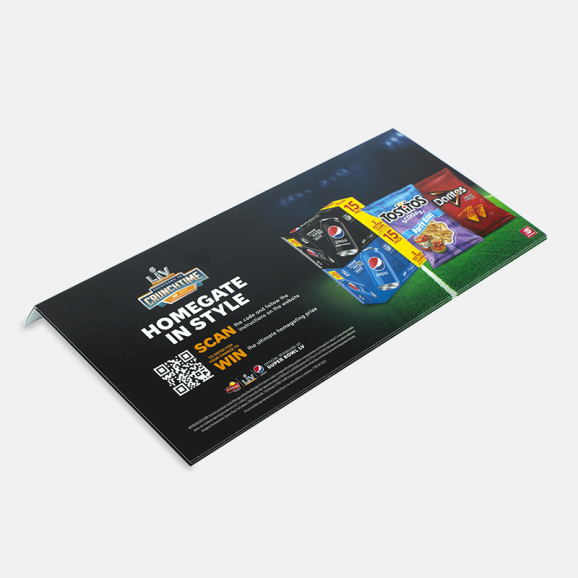
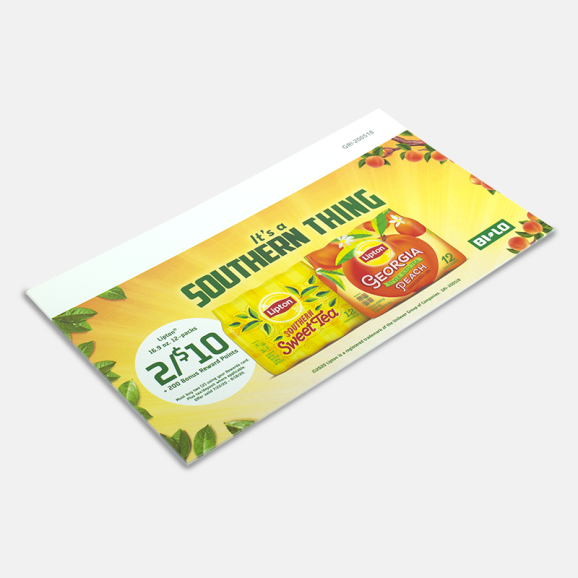
To understand exactly how these items function, we must ask: what is a shelf talker? Simply put, it is a printed promotional label designed to attach directly to the edge of a display unit. It hangs down or stands out, drawing the eye precisely to the item you want to push.
Enhancing the Customer Experience
Modern consumers appreciate information. They want to know if a product is vegan, locally sourced, heavily discounted, or part of a buy-one-get-one-free deal. Instead of forcing them to squint at tiny packaging text, you can broadcast these selling points boldly. This frictionless communication builds trust and speeds up the buying process.
When planning your strategy, consider the specific environment of your store. For instance, incorporating shelf talkers retail managers rely on requires understanding your shelving dimensions. Standard data strips usually measure around 39mm, so your promotional cards must feature the correct tab size to slot securely into place without falling out when shoppers brush past.
Understanding the Manufacturing Process
Creating high-impact merchandising materials requires careful attention to design and production. You cannot just print a standard piece of paper and tape it to a rack. Professional storefronts need durable, vibrant, and perfectly cut signage that withstands daily wear and tear.
Materials and Durability
Most high-quality edge markers utilize rigid PVC or thick, laminated cardstock. PVC offers excellent water resistance, making it ideal for supermarket freezer sections or damp environments like garden centers. Heavy-duty cardstock provides an eco-friendly alternative for dry goods aisles, boutiques, and pharmacies.
The shelf talker printing phase is where your brand colors truly come to life. Using UV-resistant inks ensures your bright reds and deep blues do not fade under harsh fluorescent store lights. Advanced finishing techniques, such as spot gloss or matte lamination, add a premium tactile feel that subconsciously elevates the perceived value of the product being promoted.
Specialized Formats and Unique Designs
Sometimes standard rectangular formats do not fit your specific merchandising vision. You might need something with a unique die-cut shape to mimic a brand mascot or a specific contour that wraps around a uniquely shaped product. A bart shelf talker format, for example, offers a specialized structural design that grips particular wire racks or unique shelving lips perfectly, ensuring your message stays locked in the correct position regardless of customer traffic.
For businesses looking for reliable supply chains, sourcing your marketing materials from a trusted partner like wholesaleboxes.co.uk ensures you receive consistent quality and precise cuts tailored to your exact store fixtures.
Tailoring Signage for Your Market
Operating a physical store comes with distinct regional challenges and consumer preferences. Shoppers value clear pricing, transparent promotions, and honest advertising. When you deploy point-of-sale marketing, your messaging must resonate with local sensibilities.
Finding the most effective Shelf Talkers uk consumers respond to means prioritizing clear typography and bold contrast. Research shows that high-contrast color combinations, such as yellow text on a black background or white text on a deep red background, perform best for clearance items. For organic or premium goods, softer earth tones with elegant, minimalist fonts help convey quality over budget savings.
Psychological Triggers in Visual Merchandising
Your signage should trigger an emotional response. Words like “Exclusive,” “Locally Sourced,” “Award-Winning,” or “Limited Time” create a sense of urgency and exclusivity. Combine these power words with clean graphics and exact pricing to eliminate any hesitation at the shelf edge.
Keep your messaging incredibly brief. The average shopper spends less than three seconds looking at an aisle display. Focus on one single, compelling message per sign. If you try to squeeze a product description, a price, a barcode, and a promotional code onto a 3×4 inch card, the design becomes cluttered and completely loses its visual impact.
Best Practices for Installation and Maintenance
Even the most beautifully designed promotional card fails if poorly implemented. Consistency is key when decorating your aisles.
Strategic Placement
Do not overwhelm your customers by placing a promotional card on every single item. If everything is highlighted, nothing stands out. Instead, use these tools sparingly to guide shoppers toward high-margin products, slow-moving inventory you need to clear, or brand-new items that need an initial sales boost. Keep the signs at eye level or just below, where hands naturally reach. Displays placed too high or too low near the floor receive drastically lower engagement rates.
Routine Audits
Appoint a team member to walk the aisles daily to straighten skewed cards, replace bent or damaged signs, and remove expired promotions. Nothing damages a store’s credibility faster than a customer trying to claim a discount from a sign that expired three weeks ago. Keep your visual merchandising fresh, accurate, and physically pristine.
Measuring the Impact on Your Bottom Line
Investing in visual merchandising tools requires understanding your return on investment. To measure success, track the sales velocity of specific items before and after you install the edge displays. You will typically see a sharp spike in engagement during the first two weeks of a new campaign.
You can also incorporate QR codes into your designs. By encouraging shoppers to scan the code for a digital coupon, a recipe, or an extended warranty, you bridge the gap between physical retail and digital marketing. This allows you to track exactly how many people interacted with the sign, providing concrete data on which locations and designs perform best in your store.
Conclusion
Elevating your retail environment does not require a massive remodeling budget. Small, strategic additions to your shelving edges transform quiet aisles into dynamic, engaging shopping experiences. By choosing the right materials, designing clear and bold messages, and placing your marketing tools strategically, you direct customer attention exactly where you want it. Start evaluating your highest-margin items today, and implement dedicated edge signage to watch your conversion rates grow.
Frequently Asked Questions
1. How do these promotional cards attach to store fixtures?
Most edge labels come with a folded clear plastic tab that snaps securely into standard data strips found on retail shelving. Alternatively, they can feature double-sided adhesive tape for flat surfaces or specialized clips for wire baskets and racks.
2. What are the best dimensions for aisle signage?
The most common sizes are 3×4 inches or 4×5 inches. The tab that slots into the shelf usually measures around 39mm to fit standard profiles. However, dimensions are highly customizable based on how much space you have between product facings.
3. Can these displays be used in refrigerated sections?
Yes. If you plan to use them in freezers or refrigerated aisles, you must specify this during the manufacturing process. Printers will use water-resistant synthetic materials like rigid PVC and specialized laminates to prevent curling, peeling, or moisture damage.
4. How often should I change my store signage?
You should rotate your promotional messaging every four to six weeks. Shoppers who frequently visit your store develop “banner blindness” if they see the same signs repeatedly. Changing the colors and messages keeps the visual experience fresh and engaging.
5. Do I need to hire a professional designer for the layout?
While hiring a professional guarantees a polished look, many commercial printers offer templates that you can easily edit yourself. The most important rule for the layout is to keep the text large, limit your word count, and use highly contrasting colors to ensure maximum readability from a distance.