





The Definitive Guide to Paper Cones for Food Stylish Snacking
The way we eat on the go has changed. The days of balancing a flimsy paper plate on your knees or struggling with cumbersome plastic trays are fading. In the bustling UK street food scene, at festivals, and even at high-end catered events, convenience and style are now paramount. Enter the humble yet ingenious paper cone. It is a packaging solution that perfectly marries functionality with a fun, retro aesthetic, making it a favourite for everything from fish and chips to churros and popcorn.
This guide explores why this simple piece of packaging has become a staple in the British food industry. We will look at its versatility, the materials used, and why switching to cones might be the smartest move for your food business.
Why Choose Conical Packaging?
The cone shape is iconic for a reason. Ergonomically, it fits perfectly in the hand. This makes it the ideal vessel for “walking food.” Whether a customer is strolling through a Christmas market in Manchester or navigating a busy food hall in London, a cone allows for one-handed eating while keeping the other hand free for a drink or navigating crowds.
For the vendor, paper cones for food offer a different set of advantages. They are incredibly space-efficient. Unlike rigid boxes that require significant storage space, cones nest inside one another, meaning you can stack hundreds in a small footprint. This is a game-changer for food trucks and stalls where every inch of counter space is precious. Furthermore, the wide opening makes filling them rapid and mess-free, speeding up service times during peak hours.
Versatility Across Cuisines
While traditionally associated with sweets or chips, the application of conical packaging has expanded significantly.
Savoury Delights:
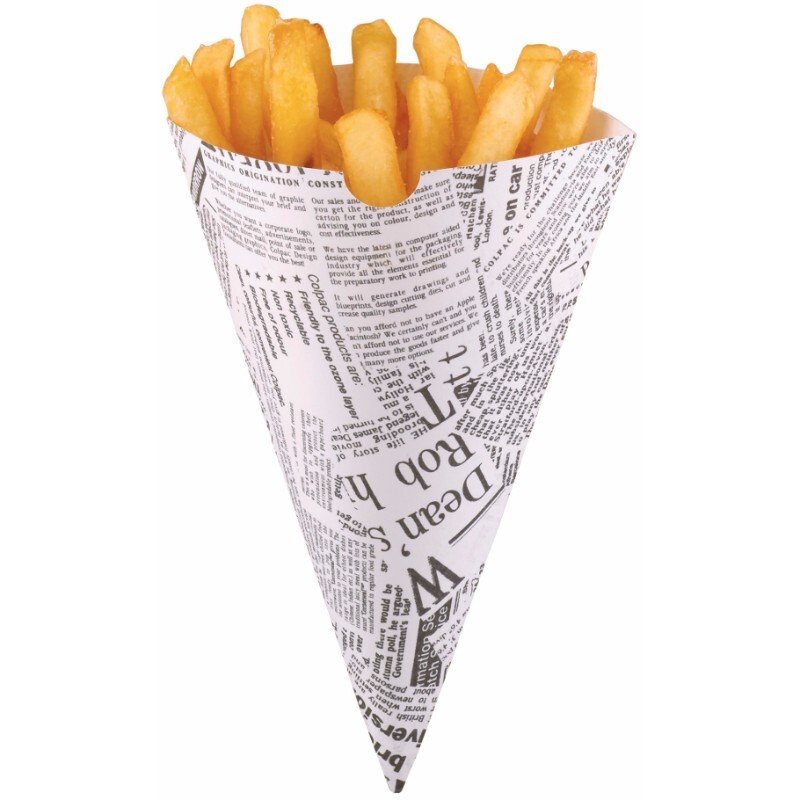
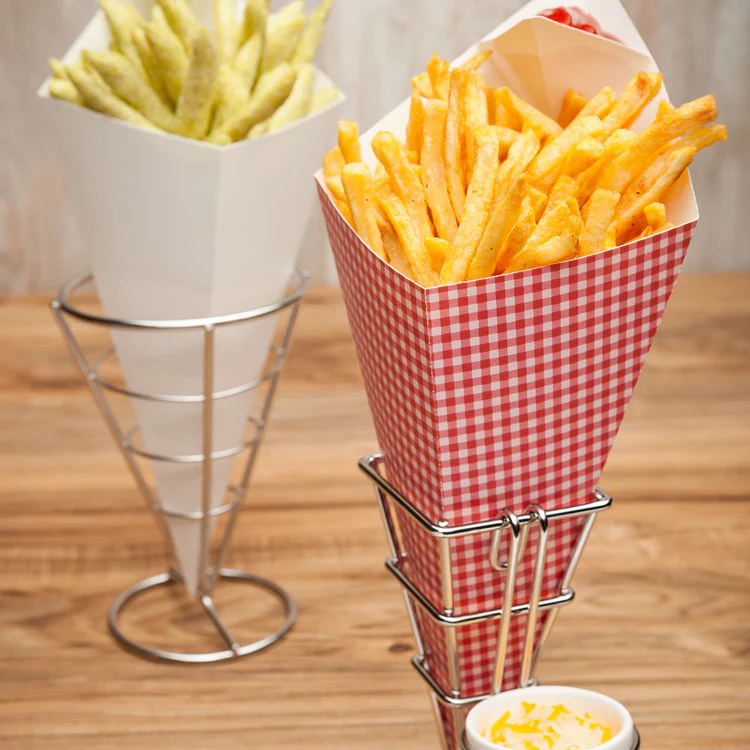
The deep shape is perfect for holding substantial portions of chips, wedges, or sweet potato fries. The design naturally funnels any excess oil to the bottom, away from the consumer’s fingers. We are also seeing them used for nuggets, calamari rings, and even tempura vegetables. The cone provides a great way to present these items vertically, making the portion look generous and appetizing.
Sweet Treats:
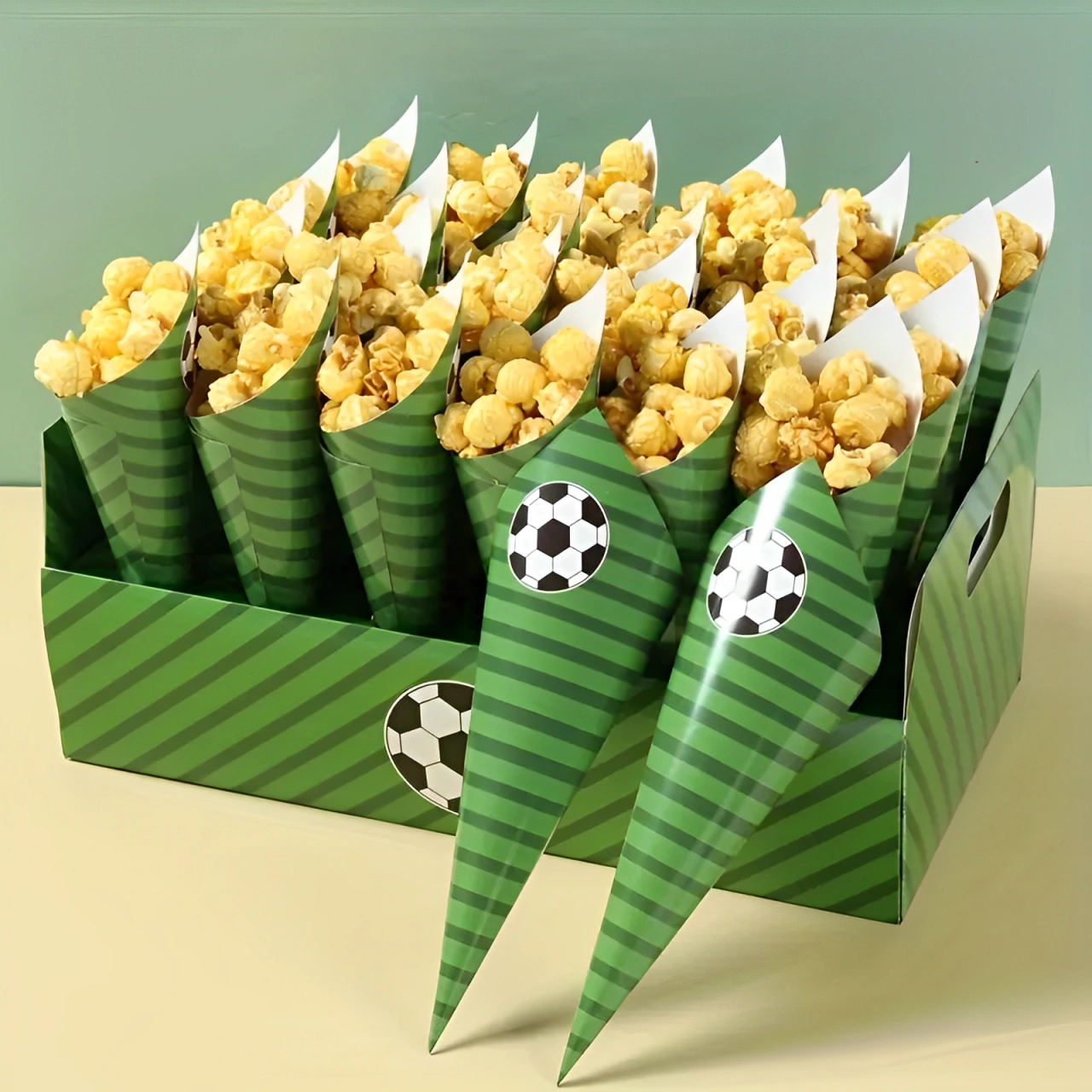
Of course, paper cones remain the gold standard for confectionary. From holding warm, sugared churros served with a dipping sauce to containing freshly popped popcorn or candy floss, they are synonymous with treat time. Their association with fairs and cinemas triggers a sense of nostalgia that enhances the customer’s enjoyment of the snack.
Healthy Options:
Modern health-conscious vendors are utilising cones for vegetable sticks, fruit assortments, and even dry salads. The presentation turns a simple snack into something that feels curated and special.
Material Matters: Greaseproof and Eco-Friendly
In the UK market, the material of your packaging is scrutinized just as much as the food inside it. A soggy, leaking cone is a surefire way to ruin a customer’s experience. Therefore, choosing the right grade of paper is essential.
High-quality cones are typically made from heavyweight paper or card that has been treated or lined to be grease-resistant. This is crucial for fried foods. You need a barrier that prevents oil from seeping through and staining the customer’s clothes. However, this functionality must be balanced with environmental responsibility.
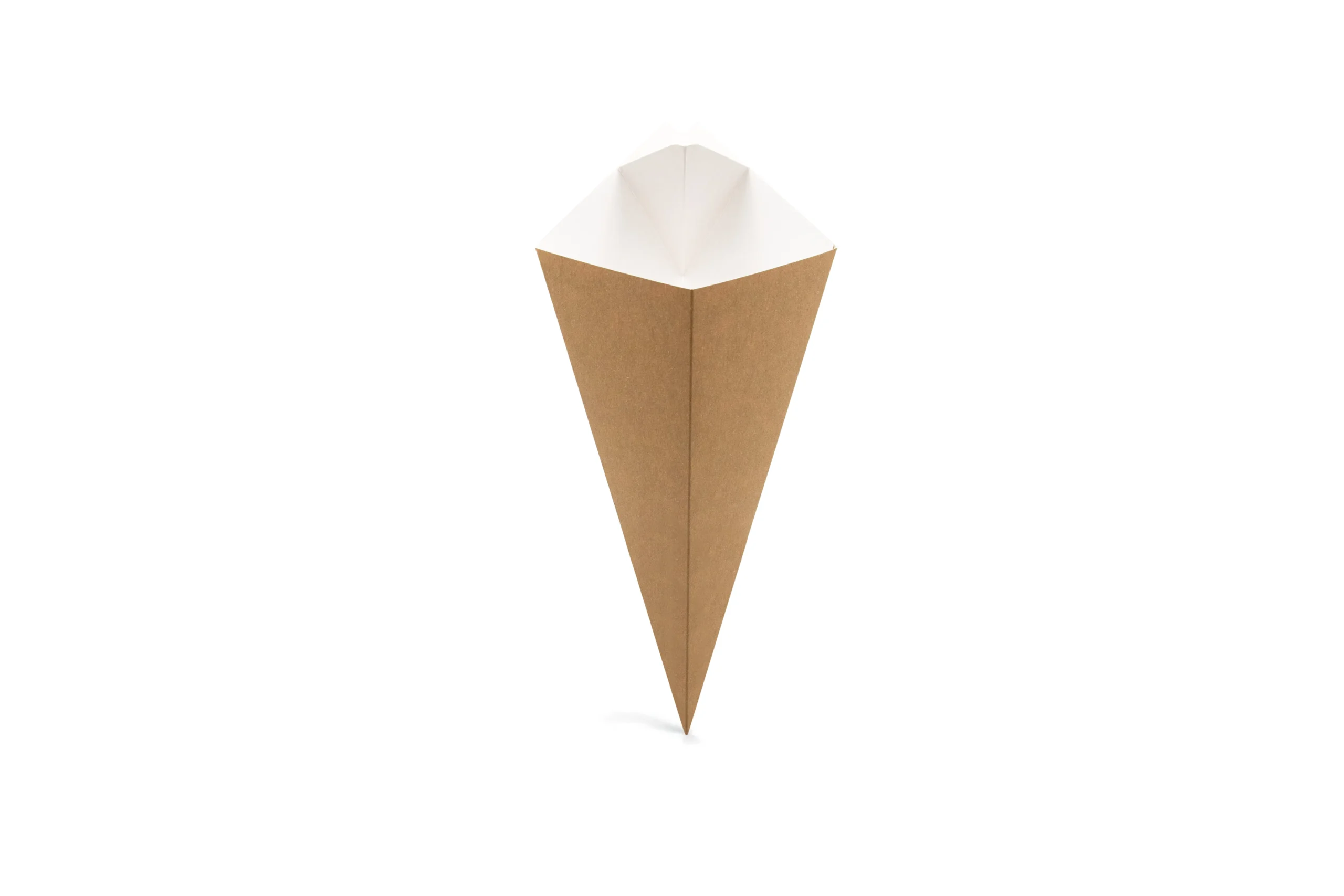
Sustainability is no longer a niche concern; it is a mainstream expectation. Many suppliers now offer cones made from unbleached Kraft paper. This material not only looks rustic and artisanal—fitting perfectly with the “farm-to-fork” aesthetic popular in the UK—but it is also often biodegradable and compostable. Using packaging that can be tossed into a food waste bin along with the leftovers is a significant selling point for eco-conscious British consumers.
Branding and Visual Appeal
In the age of Instagram, your food needs to be photogenic. A plain white cone is functional, but a branded cone is a marketing tool. The conical shape offers a unique surface area for branding. When a customer walks away with your food, they become a mobile advertisement for your business.
Investing in custom paper cones for food allows you to print your logo, social media handles, or a catchy slogan directly onto the packaging. You can play with colours and patterns to match your brand identity. A bright, bold design can catch the eye of someone across a festival field, prompting them to ask, “Where did you get that?”
Even if full customisation isn’t in your budget immediately, the aesthetic of the cone itself can be enhanced. Many businesses use simple wooden forks or printed greaseproof liners to add a pop of colour and texture to the presentation.
Sourcing for UK Businesses
Finding the right supplier is critical. You need consistency in size and quality to ensure your portion control remains accurate. If a cone is too small, customers feel short-changed; too big, and you risk giving away free product to make it look full.
When searching for paper cones for food uk suppliers, look for those who understand the specific needs of the catering industry. You want a partner who can offer a range of sizes, from small tasting cones for canapés to large options for main meal sides. Reliability in delivery is also key; running out of packaging on a busy Friday night is a disaster for any food vendor.
Local sourcing also has its benefits. It reduces shipping miles, contributing to a lower carbon footprint for your business. It also often means better customer service and the ability to get samples quickly before committing to a large order.
The Practicalities of Serving
While cones are great for holding, they can be tricky to set down. This is where accessories come into play. If you are serving from a fixed location, investing in cone holders or stands is highly recommended. These wire or wooden racks allow you to prep multiple orders at once or let customers add their own sauces without juggling their food.
For businesses offering paper cones for food near me via delivery apps, the challenge is keeping the cone upright during transit. Creative packing solutions, such as cardboard inserts with circular cutouts, can secure the cones inside a larger delivery box, ensuring the food arrives looking as good as it did when it left the fryer.
Enhancing the Customer Experience
Ultimately, packaging is about experience. It’s the tactile element of your service. A sturdy, well-designed cone feels good to hold. It suggests quality. It eliminates the frustration of flimsy plates that fold under weight or boxes that are difficult to open.
By choosing high-quality packaging from reputable suppliers like wholesaleboxes.co.uk, you signal to your customers that you care about the details. You are telling them that the vessel holding their food is just as important as the ingredients used to make it. In a competitive market, these small details build trust and loyalty.
Conclusion
The paper cone is a timeless piece of packaging design that has adapted perfectly to the modern food landscape. It is practical, stylish, and, when chosen correctly, sustainable. Whether you are serving Belgian frites, gourmet popcorn, or artisan churros, there is a cone that fits your product and your brand. By investing in quality materials and considering customisation, you can turn a simple disposable item into a powerful asset for your business.
Frequently Asked Questions (FAQs)
Are paper cones suitable for wet or saucy foods?
Standard paper cones are designed primarily for dry or fried foods like chips, popcorn, or churros. However, if the paper is poly-lined or has a heavy wax coating, it can withstand a certain amount of sauce, such as ketchup or chocolate drizzle. They are not recommended for liquids like soups or very runny stews, as the bottom tip is a potential leak point if the liquid pools there for too long.
What sizes do paper food cones come in?
Cones are available in a wide variety of sizes to suit different portions. Common sizes range from small 100g cones (perfect for canapés or samples) up to large 500g capacity cones for substantial main portions of chips. Dimensions are often measured by the length of the longest side or the diameter of the opening. It is best to request samples to test your specific portion sizes.
Can I recycle paper food cones?
This depends on the material. Cones made from plain, uncoated paper or card are widely recyclable and often compostable. However, if the cone has a plastic (poly) lining to make it greaseproof, it may not be recyclable in standard paper streams. Always check the specifications with your supplier and check local recycling guidelines.
Do I need a stand to serve food in cones?
While not strictly necessary for the customer (who will hold the cone), a stand is incredibly useful for the server. It allows you to prep multiple orders simultaneously and provides a stable place to rest the cones while adding toppings or taking payment. Countertop stands are available in wire, acrylic, or wood.
How are paper cones packed for shipping?
Because of their shape, paper cones are highly space-efficient. They are typically shipped “nested” inside one another in long stacks. This means a box containing 1,000 cones takes up significantly less space than a box containing 1,000 clam-shell containers, making them cheaper to ship and easier to store in small kitchens.