
The Complete Guide to Muffin Boxes for UK Bakers
There is something undeniably comforting about a freshly baked muffin. Whether it’s a classic blueberry bursting with fruit or a decadent double chocolate chip, muffins are a staple of British bakeries, cafes, and home kitchens. However, the journey from the oven to the customer’s hand is fraught with potential disasters. A crushed top or a greasy wrapper can ruin the experience before the first bite is even taken. This is where high-quality packaging becomes essential.
For any bakery business, the right box is not just a container; it is a guardian of quality and a silent ambassador for your brand. In this comprehensive guide, we will explore everything you need to know about selecting the perfect packaging for your baked goods. We will cover material choices, design considerations, and how the right presentation can elevate your product in a competitive market.
Why Specialist Packaging Matters
Muffins are delicate. Their domed tops—often the best part—are prone to getting squashed if not properly protected. Furthermore, their high moisture and butter content mean they can easily leave unsightly grease marks on substandard materials. Using generic containers often results in a poor customer experience, whereas specialist muffin boxes are engineered to address these specific challenges.
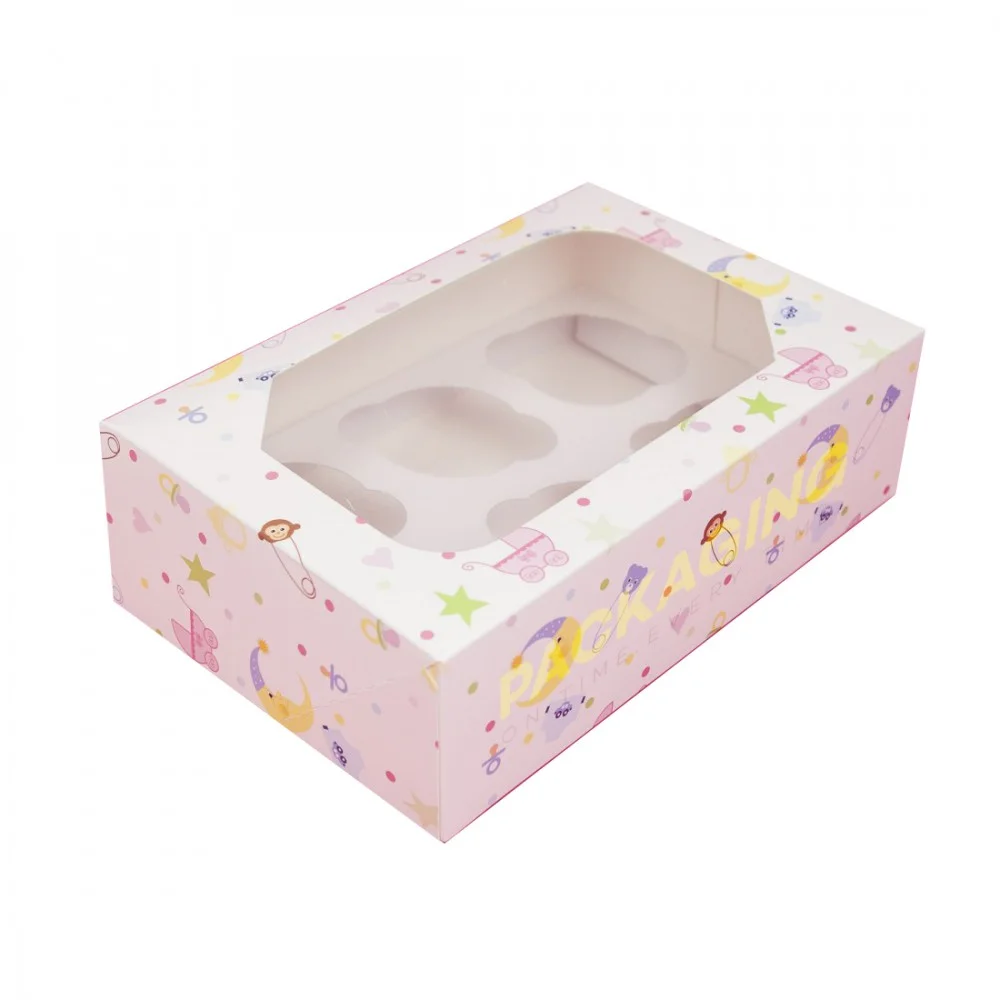
These boxes typically feature inserts or “holders” that secure each muffin in place. This prevents them from sliding into one another during transit, which is crucial whether a customer is walking home or a courier is delivering an order across town. The structural integrity of the box ensures that the lid does not collapse onto the frosting or crumble topping. By investing in proper packaging, you are ensuring that the time, effort, and high-quality ingredients you put into your baking are respected right up until the moment of consumption.
Material Choices for Every Bakery
The UK packaging market offers a diverse range of materials, each with its own benefits. Choosing the right one depends on your brand values, budget, and the specific needs of your product.
Kraft Board:
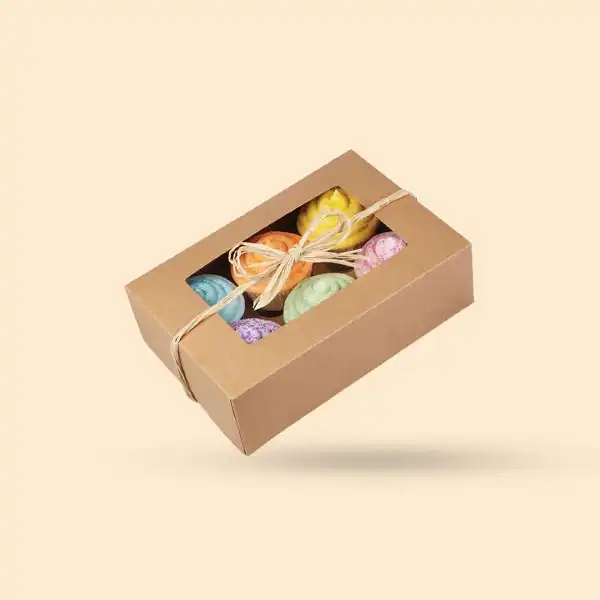
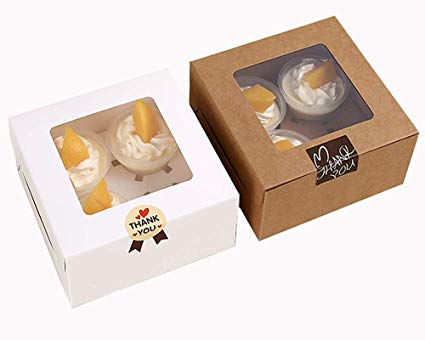
Unbleached Kraft board is a favourite among artisanal and eco-conscious bakeries. Its natural brown colour communicates a rustic, homemade feel that resonates well with customers looking for authentic, wholesome food. It is strong, durable, and often made from recycled fibres, making it an environmentally responsible choice.
White SBS (Solid Bleached Sulphate) Board:
For a cleaner, more modern look, white SBS board is the industry standard. It provides a smooth, bright surface that is perfect for high-quality printing. If your branding relies on vibrant colours or intricate logos, this material will make them pop. It also conveys a sense of clinical cleanliness and precision, which is appealing for high-end patisseries.
Corrugated Cardboard:
If you are shipping large quantities or require extra durability for delivery services, corrugated cardboard offers superior protection. The fluted layer adds cushioning and insulation, keeping muffins warmer for longer and protecting them from bumps and knocks.
Windowed Options:
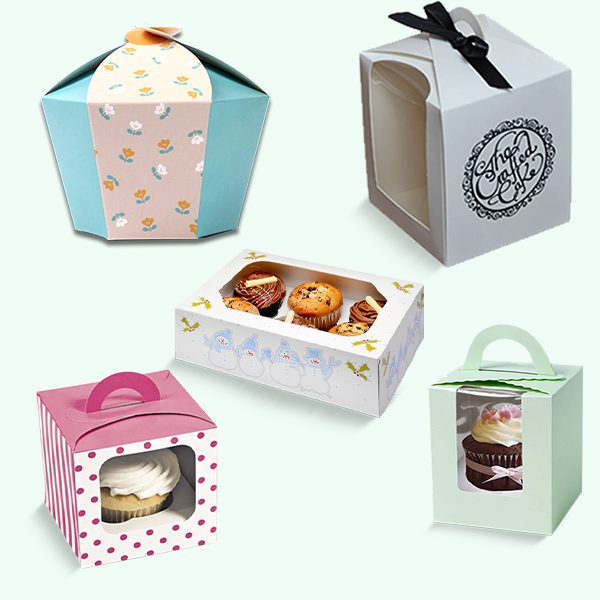
A popular feature in muffin boxes packaging is the inclusion of a clear window. Usually made from food-safe acetate or eco-friendly bioplastics, these windows allow the customer to see the tempting treats inside without opening the box. This visual appeal is powerful in a retail setting, enticing impulse purchases and reassuring customers of the freshness and quality of the product.
Design and Branding: Making Your Mark
In a crowded marketplace, your packaging is your most powerful marketing tool. It travels with your customer, seen by friends, colleagues, and passers-by. Therefore, your design needs to work hard for you.
Effective branding goes beyond just slapping a logo on a lid. It involves considering the entire unboxing experience. Think about the colours that represent your brand. Do you want to convey luxury with deep navies and golds, or fun and energy with bright pinks and yellows? The typography should be legible and reflective of your style—script fonts for elegance, bold sans-serifs for modern simplicity.
Custom muffin boxes uk suppliers allow you to tailor every aspect of the design. You might include a QR code that links to your menu or social media pages, encouraging further engagement. Perhaps you can print a witty message on the inside flap or include care instructions on how to warm the muffins for the best taste. These small details create a connection with the customer and build brand loyalty.
Sourcing: Local vs. Wholesale
When it comes to purchasing your packaging, you generally have two main routes: buying from local distributors or ordering wholesale.
For small start-ups or home bakers, searching for terms like “muffin boxes near me” might seem like the logical first step. Local suppliers can offer convenience and lower shipping costs for small quantities. However, their range might be limited, and the price per unit is often higher.
For established businesses or those looking to scale, buying in bulk is far more economical. Purchasing muffin boxes wholesale significantly reduces the unit cost, improving your profit margins. Wholesale suppliers often have a much wider inventory, offering various sizes (from single muffin boxes to 12-packs), styles, and material options. They are also more likely to offer customisation services.
One key consideration when buying wholesale is storage. You need to ensure you have adequate space to store a large volume of flat-packed boxes in a clean, dry environment. However, the long-term savings usually outweigh the logistical challenges. Partnering with a reputable supplier like wholesaleboxes.co.uk ensures you get consistent quality and reliable delivery, which is one less thing to worry about when running a busy bakery.
Sustainability: A Key Consideration
Sustainability is no longer a niche concern; it is a priority for UK consumers. Many people actively choose brands that demonstrate environmental responsibility. Your packaging is a visible declaration of your eco-credentials.
Avoid plastics where possible or switch to recyclable alternatives. Ensure your cardboard is FSC-certified, meaning it comes from responsibly managed forests. If you use windowed boxes, look for those with compostable PLA windows rather than traditional petroleum-based plastic.
Clearly labelling your packaging as recyclable or compostable helps your customers dispose of it correctly. This not only reduces waste but also aligns your brand with the values of modern, environmentally conscious shoppers. It turns a simple disposable item into a statement about your business ethics.
The Role of Inserts
We touched on this earlier, but it bears repeating: inserts are non-negotiable for muffins. A box without an insert is essentially a bucket; the muffins will roll around, toppings will smear, and the result will be messy.
Inserts come in various configurations to hold 1, 2, 4, 6, or 12 muffins. They are usually made from the same card material as the box and are folded to create a raised platform with circular cut-outs. This platform not only secures the muffin base but also creates a space underneath where excess crumbs can fall, keeping the presentation neat. Furthermore, the raised height adds to the “gift” like appearance of the box, making the muffins look like they are on a pedestal.
Frequently Asked Questions (FAQs)
What is the standard size for a muffin box insert hole?
Standard muffin inserts typically have holes with a diameter of around 60mm to 65mm. This fits a standard baking case perfectly. However, if you bake “jumbo” muffins or mini muffins, you will need to specify this to ensure you get inserts with the correct aperture size to hold them securely.
Are muffin boxes suitable for cupcakes too?
Yes, muffin boxes are often interchangeable with cupcake boxes. The main difference is usually the height. Cupcakes with tall swirls of buttercream and decorative toppers might require a box with slightly more headroom than a standard muffin box. Always check the height dimensions before purchasing to ensure your toppings won’t get squashed.
Can I put hot muffins directly into the box?
It is best to let muffins cool completely before boxing them. If you put hot baked goods into a closed box, the steam will be trapped inside. This causes condensation, which can make the paper cases peel away from the muffins and make the toppings soggy. If you must box them warm, ensure the box has ventilation holes or leave the lid slightly open.
How do I dispose of a grease-stained muffin box?
In the UK, cardboard that is heavily soiled with grease or food residue cannot usually be recycled in standard paper recycling bins because the oil contaminates the pulp. However, if the box is certified compostable, it can be put in food waste bins or home compost heaps. If it has a plastic window, that must be removed first unless it is PLA.
Do you offer custom printing for small runs?
While many large wholesalers have high minimum order quantities (MOQs) for custom printing (often in the thousands), digital printing technology has made it easier for smaller businesses to access branded packaging. Many suppliers now offer “short run” customisation, allowing you to order as few as 100 or 500 branded boxes, though the cost per unit will be higher than for larger orders.