
Premium Jam Jar Boxes for Safe and Stylish Delivery
For artisan producers and large-scale manufacturers alike, the presentation of your preserves is just as vital as the flavour inside the glass. In the United Kingdom, the market for chutneys, marmalades, and honeys is thriving, driven by a consumer base that appreciates quality and craftsmanship. However, getting these fragile glass items from your kitchen or factory to the customer’s table requires robust protection. This is where high-quality packaging plays a pivotal role.
Whether you are selling at a local farmers’ market in Yorkshire or shipping nationwide via courier, the right packaging solution ensures your products arrive intact and look impeccable. This guide explores the essential features of packaging for preserves, helping you choose the perfect solution for your business needs while maintaining an eco-friendly ethos.
The Vital Role of Packaging in the Preserves Market
When a customer purchases a jar of luxury strawberry conserve or spicy tomato chutney, they are buying into an experience. The initial physical interaction they have with your product is the outer casing. If the packaging is flimsy or uninspired, it detracts from the premium nature of the contents. Conversely, a sturdy, well-designed exterior builds anticipation and trust.
Beyond aesthetics, the primary function of any packaging for glass containers is protection. Glass is notoriously difficult to transport safely. Drops, vibrations during transit, and compression from stacking can all lead to breakage. Specialized packaging is engineered to absorb these shocks, creating a buffer zone around the glass. This is particularly important for businesses relying on e-commerce, where parcels pass through multiple automated sorting centres and delivery vans before reaching their destination.
Sustainable Materials for the Modern Consumer
Sustainability is no longer a niche preference; it is a standard expectation for British shoppers. Plastic-heavy wrapping and polystyrene fillers are increasingly frowned upon. Today’s most effective solutions utilize corrugated board. This material offers an excellent strength-to-weight ratio, providing rigid protection without adding significant bulk or postage costs.
Corrugated board is biodegradable, recyclable, and often made from recycled content itself. By choosing packaging made from these renewable resources, you demonstrate a commitment to the environment that resonates with eco-conscious buyers. It aligns your brand with the values of the “farm-to-table” movement, reinforcing the natural, wholesome image of your jams and preserves.
Versatility for Retail and Shipping
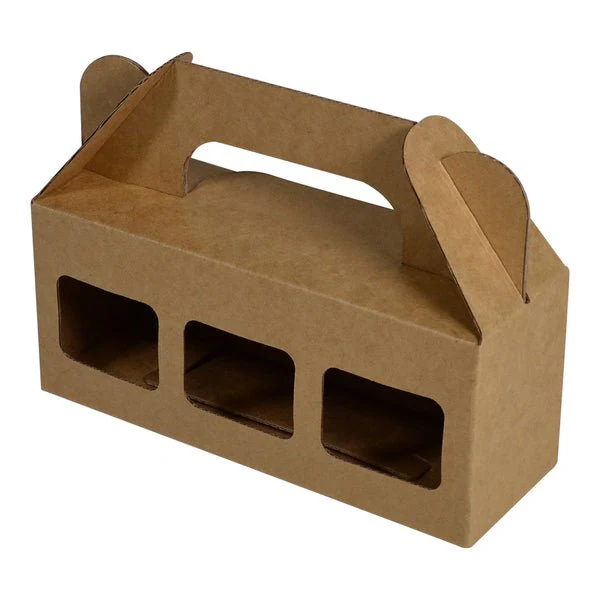
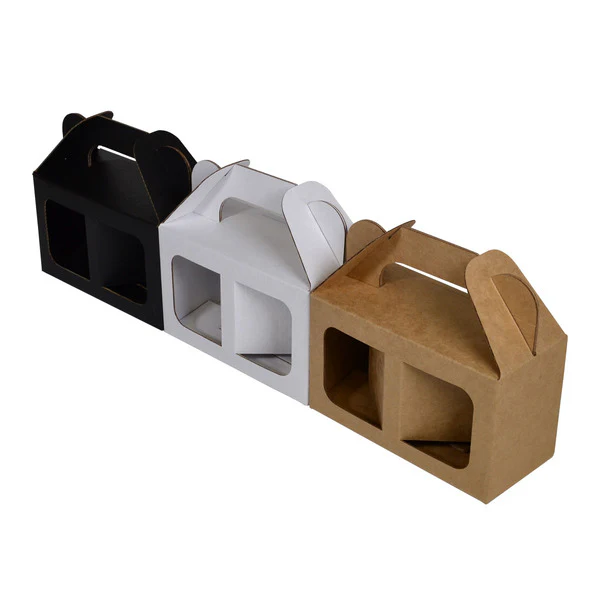
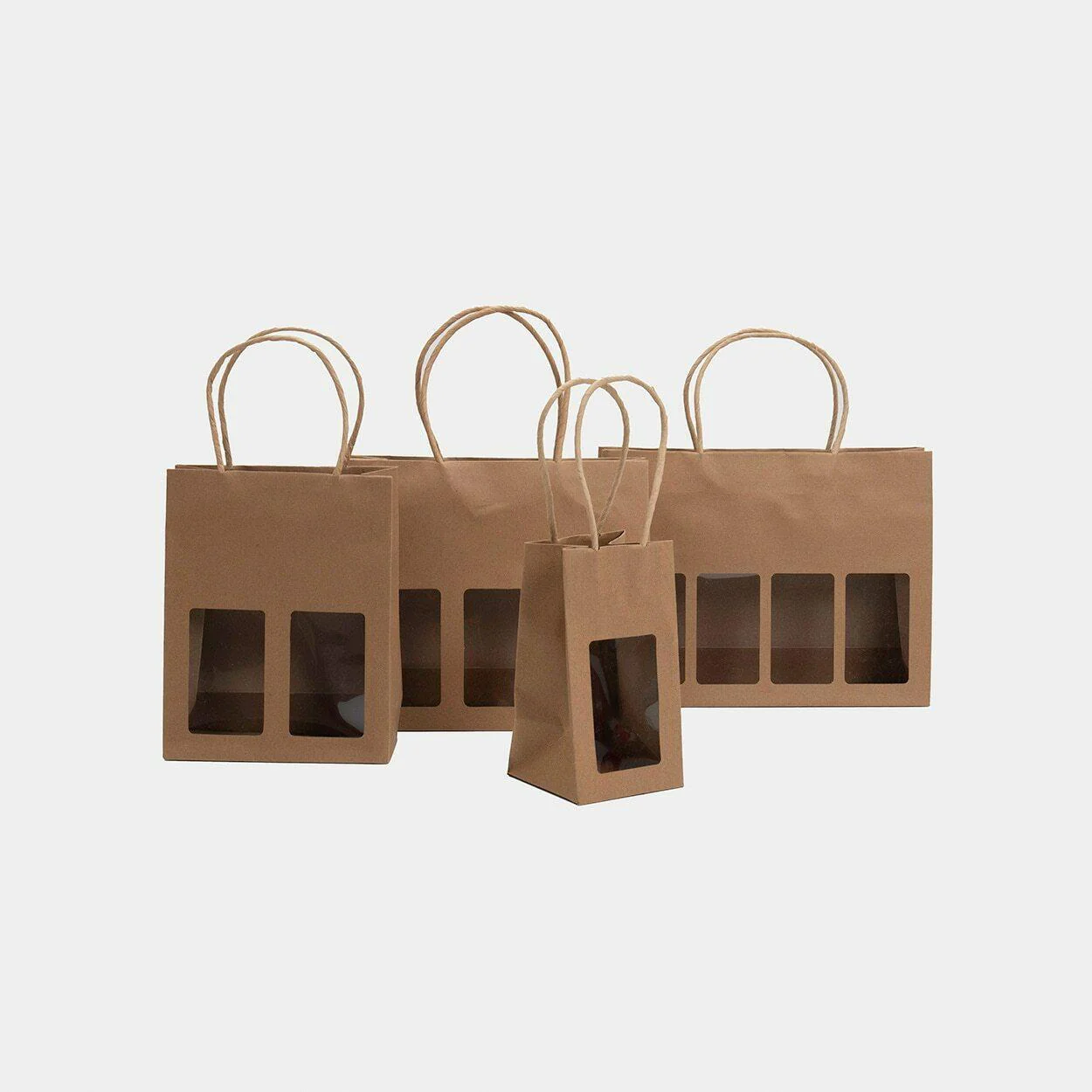
One of the greatest challenges for producers is finding a solution that works for both shelf display and shipping. You might need a carrier that allows customers to safely take three jars home from a market stall, or a fully enclosed dispatch box for mail orders.
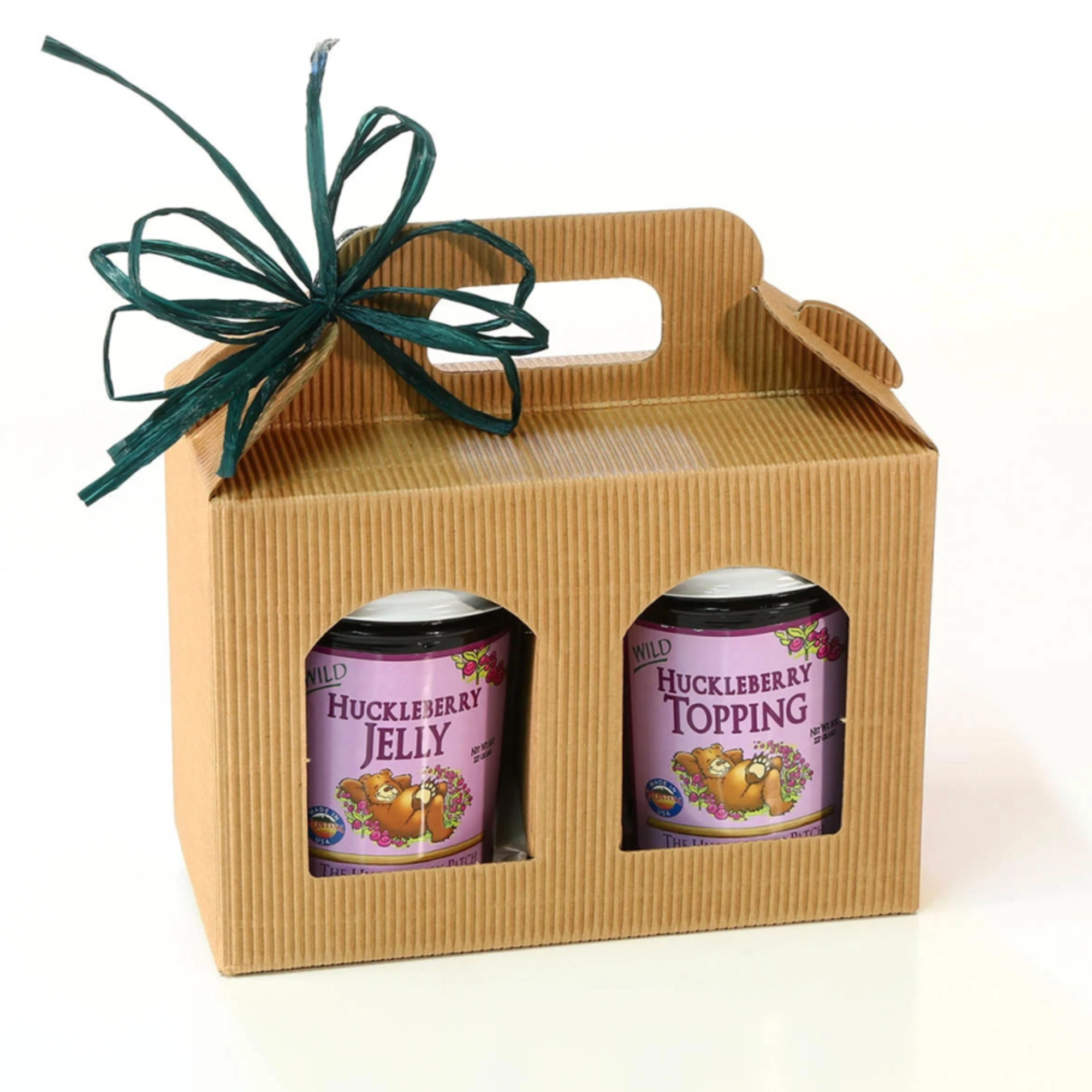
Retail-focused designs often feature open windows or carry handles. These allow the light to catch the rich colours of the fruit preserves inside, acting as a silent salesperson on the shelf. They turn a simple purchase into a convenient grab-and-go item. On the other hand, dispatch-focused designs prioritize complete enclosure. They utilize double-walled cardboard or clever folding mechanisms to create reinforced corners, ensuring that the corners of the box take the impact rather than the jar itself.
Elevating Your Brand with Personalisation
In a crowded marketplace, standing out is essential. Generic brown boxes are functional, but they don’t tell your brand’s story. This is where custom jam jar boxes become a powerful marketing tool. By printing your logo, brand colours, or a unique message on the exterior, you transform a simple delivery vessel into a memorable unboxing experience.
Customisation allows you to communicate key information—such as “Fragile” warnings or “Store in a Cool Place” instructions—directly on the box, reducing the need for additional stickers. It also aids in brand recall. When a customer sees your distinctive packaging on their doorstep, the excitement begins immediately. Even simple touches, like a printed interior or a specific colour scheme, can significantly elevate the perceived value of your product.
Engineering for Protection: Inserts and Dividers
The secret to preventing breakage lies in immobilization. If a jar can move within the box, it can break. High-quality packaging solutions often incorporate integrated dividers or separate inserts. These components serve two purposes: they keep multiple jars from clashing against one another, and they lock the jars in place to prevent movement.
This is often achieved through clever structural engineering rather than extra filler material. Die-cut cardboard jar packaging can be folded to create air gaps and buffers. These air gaps act as crumple zones, absorbing impact energy. For businesses shipping sets of two, three, or even six jars, these dividers are non-negotiable. They ensure that a hamper of different preserves arrives in pristine condition, with labels un-scuffed and glass intact.
Seasonal Opportunities and Gifting
Preserves are a staple of British gifting culture. From Christmas hampers to Mother’s Day treats, a selection of high-quality jams is a universally appreciated present. To capitalize on this, businesses should consider stocking specific jam jar gift boxes. These are typically designed with presentation in mind, often featuring higher quality finishes, glossy coatings, or rustic kraft textures that appeal to the artisan aesthetic.
A well-presented gift pack can increase the average order value significantly. Instead of buying a single jar, a customer is tempted to purchase a trio because the packaging makes it “gift-ready” without requiring further wrapping. This convenience is a major selling point during busy holiday periods.
Sourcing Locally for Reliability
For UK businesses, the supply chain is a critical factor. Relying on imported packaging can lead to long lead times and unpredictable stock levels. Sourcing jam jar boxes uk suppliers mitigates these risks. Local manufacturing ensures faster delivery times, meaning you don’t have to hold huge volumes of stock in your own warehouse. It also reduces the carbon footprint associated with transporting bulky packaging materials across the globe.
Working with a dedicated supplier like wholesaleboxes.co.uk ensures you have access to industry expertise and consistent quality. A reliable partner understands the specific dimensions of standard UK jam jars—from the 190ml hexagonal jars to the classic 1lb round jars—and can advise on the best fit for your specific product range.
Conclusion
Investing in the right packaging is an investment in your brand’s reputation and your bottom line. It reduces the costs associated with breakage and returns while simultaneously enhancing the customer experience. By choosing sustainable, protective, and visually appealing solutions, you ensure that the love and care put into making your preserves is reflected in how they are received. Whether you are scaling up production or just starting out, the right box makes all the difference.
Frequently Asked Questions
How do I measure my jars to ensure they fit the boxes correctly?
To get the perfect fit, measure the height of your jar from the base to the top of the lid, and the diameter at the widest point. If your jar is hexagonal or square, measure across the widest corners. Always allow 2-3mm of clearance to ensure the jar slides in easily but doesn’t rattle.
Can these boxes be used for products other than jam?
Absolutely. While designed for preserves, these boxes are ideal for any similarly sized cylindrical items. Producers of honey, chutneys, pickles, candles, and even cosmetics often find that preserve packaging offers the protection and presentation style they need for their glass containers.
Are the boxes suitable for international shipping?
Yes, provided you choose the correct grade of material. For international shipping, where parcels may be handled more frequently, we recommend choosing double-walled options or boxes specifically designed for dispatch. You may also want to use additional void fill for extra security during long transits.
Is the cardboard material food safe?
Most cardboard packaging is intended as secondary packaging, meaning it does not come into direct contact with the food itself, but rather the glass container. However, the materials used are generally safe and clean. If you require primary packaging (direct food contact), you would need to check for specific food-grade certifications.
Do you offer samples before I commit to a large order?
Many suppliers understand the need to test packaging with your specific jars. It is standard industry practice to offer single samples or small trial packs so you can physically check the fit and quality of the board before investing in a bulk purchase.