







The Ultimate Guide to Premium Burger Boxes for Your Food Business
Delivering the perfect burger involves more than just grilling a patty and toasting a bun. The experience your customer has when they open their meal is just as crucial as the flavour itself. If the bun is soggy or the toppings have slid off, that first bite loses its magic. This is where high-quality packaging steps in to save the day.
Choosing the right container is essential for keeping food hot, fresh, and structurally sound during transit. Whether you run a bustling high street takeaway, a gourmet food truck, or a sit-down restaurant offering delivery, your packaging reflects your brand’s standards.
Why Quality Packaging Matters for Burgers
Burgers are complex food items. They have moisture from sauces, grease from the meat, and heat that needs to be retained without steaming the bun into mush. Standard generic containers often fail these tests. A purpose-built solution ensures that your culinary creation arrives in the same condition it left the kitchen.
Beyond preservation, packaging is your first physical touchpoint with a delivery customer. It speaks volumes about your attention to detail. Flimsy, leaking containers suggest a lack of care, while sturdy, well-designed packaging signals quality and professionalism.
Material Choices: Sustainability Meets Durability
The UK market has seen a massive shift away from polystyrene foam towards more sustainable options. Modern consumers are environmentally conscious and expect businesses to share those values.
Kraft Board
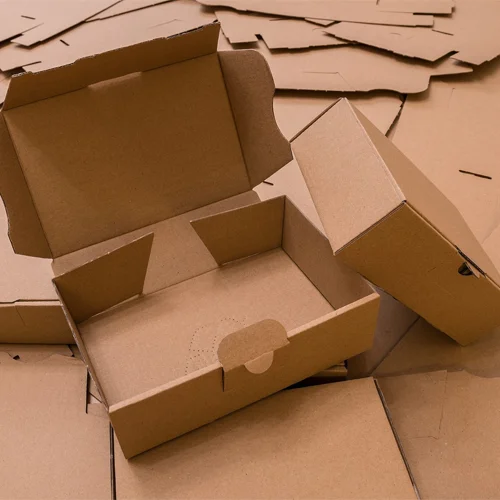
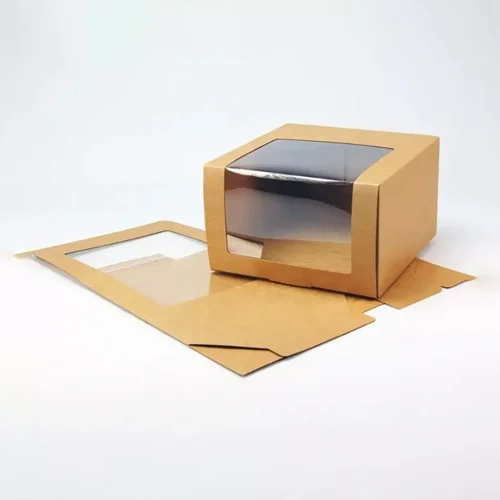
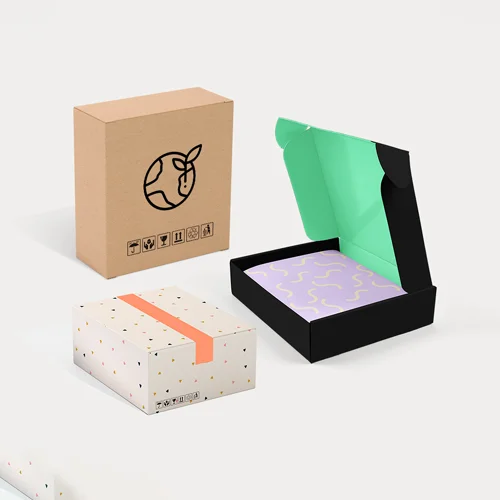
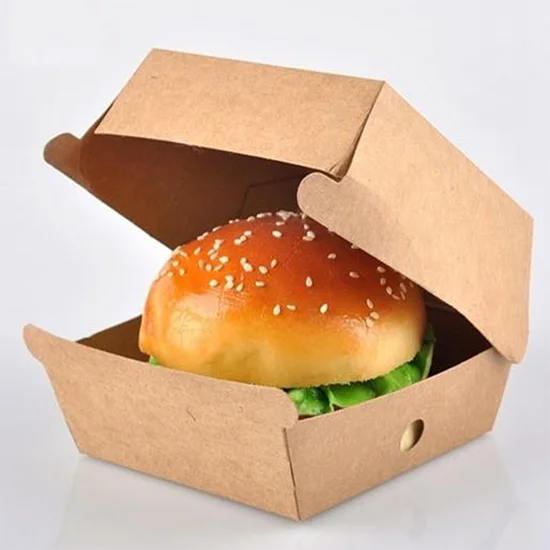
The most popular choice for eco-friendly businesses is the kraft burger box. Made from strong, unbleached paperboard, these boxes offer excellent durability. They are naturally resistant to grease, often without needing heavy plastic linings, making them fully biodegradable and recyclable. Their rustic brown appearance also appeals to the current trend for natural, organic aesthetics.
Corrugated Board
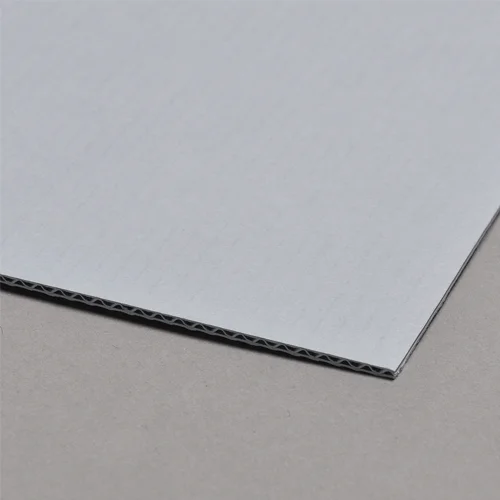
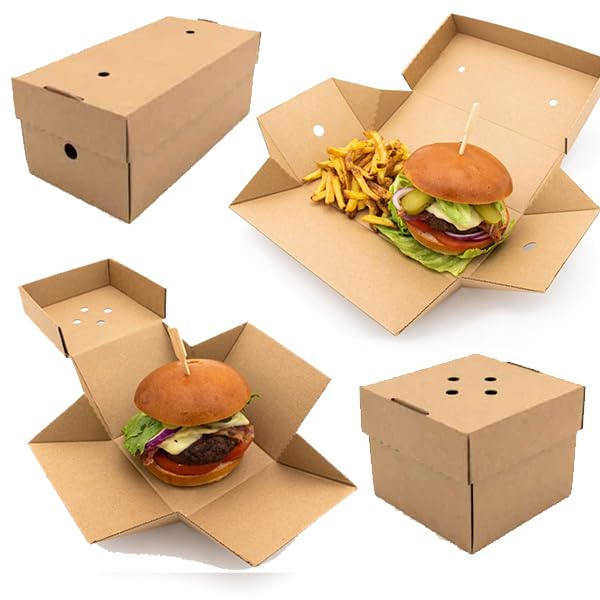
For heavier gourmet burgers loaded with toppings, corrugated board provides extra rigidity. The fluting in the board acts as insulation, keeping the burger hotter for longer. This material is particularly good at preventing the dreaded “box collapse” when orders are stacked in a delivery bag.
Bagasse (Sugarcane Pulp)
Bagasse is a byproduct of sugarcane processing. It is rapidly renewable and compostable. While slightly less rigid than card, it offers fantastic thermal properties and is breathable, which helps prevent condensation build-up inside the container.
Design Features That Make a Difference
Not all boxes are created equal. When selecting packaging, look for specific design features that enhance the user experience.
Ventilation
Steam is the enemy of a good burger bun. Look for boxes with discreet ventilation holes. These allow excess moisture to escape while retaining enough heat to keep the food warm. It is a delicate balance, but essential for maintaining texture.
Locking Mechanisms
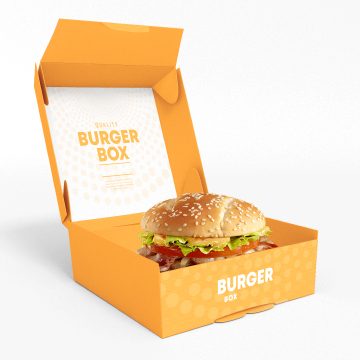
A secure closure is vital. You need a locking tab that is easy for your staff to close quickly during a rush but secure enough to stay shut during a bumpy scooter ride. Hook-lock or tab-lock designs are standard and effective.
Grease Resistance
Nothing ruins a meal faster than a box that is disintegrating from grease. High-quality board is treated to be grease-resistant. This keeps the outside of the box clean and dry, ensuring your customers don’t get messy hands before they even touch their food.
Elevating Your Brand with Customisation
In a crowded marketplace, standing out is essential. Your packaging is valuable advertising space. Instead of a plain container, imagine your logo, social media handles, and a witty tagline right in the customer’s hands.
Using personalised burger boxes is a cost-effective marketing strategy. Every time a customer carries your food down the street or posts a photo of their meal on Instagram, your brand gets exposure. Custom printing allows you to use your brand colours and unique designs to create a memorable unboxing experience. It transforms a simple transaction into a branded event.
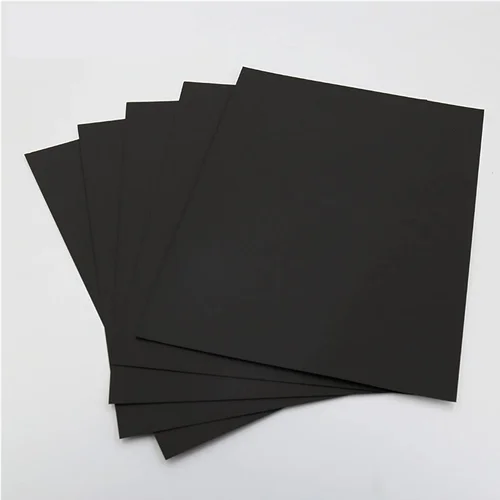
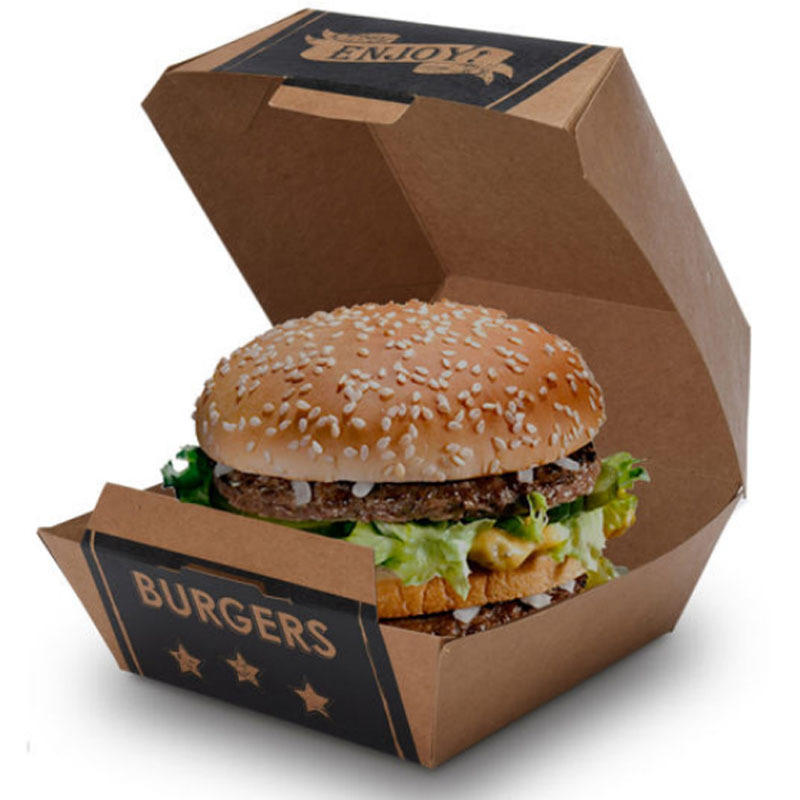
For those looking for a sleek, modern aesthetic without full custom printing, black burger boxes offer a premium look. They frame the food beautifully, making the colours of the lettuce, tomato, and cheese pop, which is perfect for food photography.
The Role of Accessories
While the box is the main event, the supporting acts are just as important.
Wrapping and Liners
For messy, saucy burgers, an extra layer of protection is often needed. Greaseproof burger wrapping paper keeps the burger intact and prevents juices from soaking into the box corners. It also adds a layer of hygiene and makes it easier for the customer to hold the burger while eating. You can even get this paper branded to match your outer packaging.
Trays and Open Containers
Not every burger needs a closed lid. For street food vendors serving customers who eat immediately, burger trays are a fantastic option. They are cost-effective, easy to stack, and showcase the food instantly. They reduce waste by using less material than a full box and are perfect for casual dining environments.
Sourcing the Best Packaging in the UK
Finding a reliable supplier is key to maintaining a smooth operation. You need a partner who understands the specific needs of the food industry—consistency, speed, and quality.
When searching for a burger box uk supplier, consider their range of eco-friendly options and their ability to scale with your business. Lead times are crucial; you never want to be left without packaging on a busy Friday night.
Wholesale suppliers often provide better rates for bulk purchases, which protects your margins. For businesses looking for a trusted source, wholesaleboxes.co.uk offers a comprehensive range of packaging solutions tailored to food businesses, ensuring you never compromise on quality or sustainability.
Beyond the Burger: Versatility
A great benefit of these containers is their versatility. While designed for burgers, a standard burger takeaway box is often the perfect size for other menu items. They work brilliantly for portions of loaded fries, nachos, onion rings, or even desserts like waffles and donuts.
Using one type of box for multiple menu items simplifies your inventory management. You spend less time counting stock for five different container sizes and save storage space in your kitchen.
Making the Switch to Better Packaging
If you are still using generic foam containers or flimsy card boxes, it is time to upgrade. The initial cost difference is often negligible compared to the value added in customer satisfaction and brand perception.
Start by auditing your current packaging. Ask yourself:
- Does the burger arrive hot?
- Is the bun soggy?
- Does the packaging look professional?
- Is it environmentally responsible?
If the answer to any of these is “no,” then investing in better solutions is a smart business move.
Conclusion
Your packaging is the final link in the chain of quality that starts with your ingredients. It protects your hard work and presents your brand to the world. By choosing the right materials, considering design features like ventilation, and utilizing custom branding, you elevate your product from “just food” to a dining experience. Whether you opt for rustic kraft, premium black, or fully branded designs, the right box tells your customers that you care about quality.
Frequently Asked Questions (FAQs)
Are paperboard burger boxes compostable?
Yes, most unbleached kraft board boxes are biodegradable and compostable. However, you should always check if they have a plastic lining (PE coating). Boxes with a water-based or PLA lining are generally compostable in industrial facilities.
Can I use burger boxes for other foods?
Absolutely. They are excellent for side dishes like chicken wings, mozzarella sticks, chips, or even salads. Their sturdy construction makes them versatile for various hot and cold foods.
Do these boxes come flat-packed?
Yes, the vast majority of burger boxes are supplied flat-packed. This saves a significant amount of storage space in your kitchen. They are designed to be popped up and assembled in seconds.
How do I stop the burger from sliding around inside the box?
Choosing the correct size is crucial. If the box is too big, the burger will slide. If you have a smaller burger in a standard box, using a sheet of greaseproof paper to wrap the burger or fill the gaps can help secure it.
What is the difference between a clam shell and a two-piece box?
A clam shell is a one-piece container with a hinged lid (like most burger boxes). A two-piece box has a separate lid and base. Clam shells are generally faster to use in a busy kitchen environment.
Is custom printing expensive?
It depends on the volume. For small runs, the cost per unit is higher. However, as you order in larger bulk quantities, the price per unit drops significantly, making it a viable marketing investment for many small businesses.
Do black burger boxes affect recycling?
Sometimes. Carbon black pigments can be difficult for recycling plant sensors to detect. However, many modern manufacturers use carbon-free black dyes that are fully recyclable. It is best to check the specific product specifications.
Can I put these boxes in the microwave?
Most paperboard boxes are microwave-safe for short periods, which is great for customers reheating leftovers. However, boxes with metallic foil linings or certain plastic coatings are not suitable for microwaves.
What is the standard size for a burger box?
While sizes vary, a standard burger box is usually around 100mm x 100mm to 120mm x 120mm, with a height of about 80mm-100mm. Larger “gourmet” boxes are available for double or triple-stacked burgers.