







A Guide to Exceptional Biscuit Packaging for UK Brands
The humble biscuit holds a special place in British culture. It’s the perfect partner to a cup of tea, a comforting snack, and a staple in homes and offices across the nation. For bakers and confectioners, this love for biscuits presents a huge opportunity. But in a market filled with choices, from classic digestives to artisanal shortbread, how do you make your product stand out? The answer often lies in the packaging.
Effective biscuit packaging does more than just hold the product. It protects its freshness and flavour, tells your brand’s story, and captures the customer’s attention on a crowded shelf. This guide will walk you through the essential elements of choosing the right packaging, from materials and design to sustainability and sourcing, helping you turn your delicious biscuits into a commercial success.
Why Quality Packaging is Crucial for Biscuits
Biscuits are inherently fragile. Their delicate, crumbly texture means they can easily break during transit. They are also highly susceptible to moisture, which can turn a perfectly crisp biscuit into a soft, unappetising disappointment. The primary role of your packaging is to act as a shield against these two enemies: impact and humidity.
High-quality materials and smart structural design prevent breakages. A well-constructed box absorbs shocks and keeps the biscuits snug and secure. Furthermore, packaging with effective sealing properties, such as airtight bags or foil-lined boxes, creates a barrier against air and moisture. This is vital for extending shelf life, preserving the “snap” and flavour you worked so hard to perfect, and ensuring the customer enjoys the biscuit exactly as you intended.
Beyond protection, the packaging is the first physical interaction a customer has with your brand. A flimsy, poorly designed box suggests a low-quality product, regardless of how delicious the biscuits inside may be. A sturdy, thoughtfully designed package, however, communicates quality, care, and professionalism.
Choosing the Right Materials and Styles
The material you choose for your packaging sets the tone for your brand and product. It impacts everything from the perceived value to your environmental credentials.
Folding Carton Boxes:
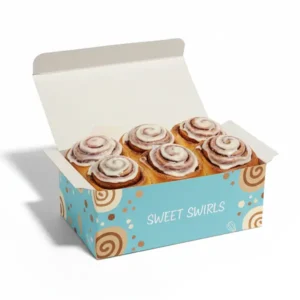
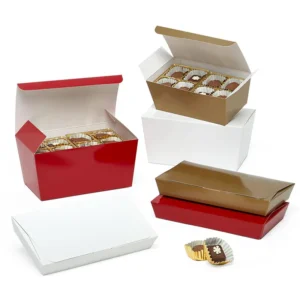
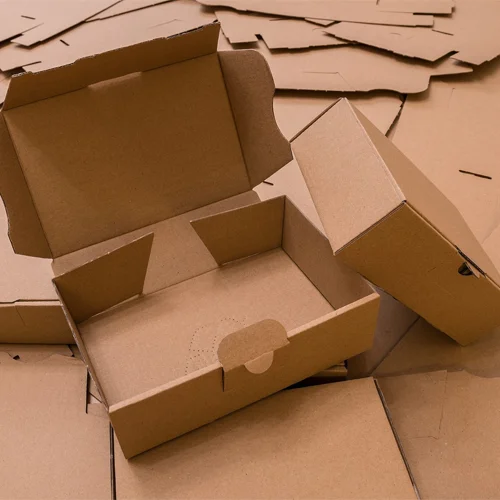
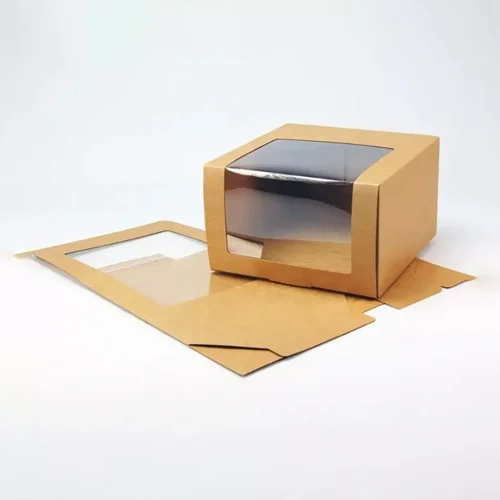
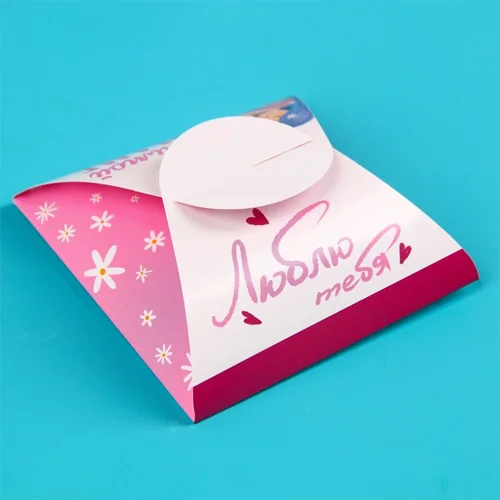
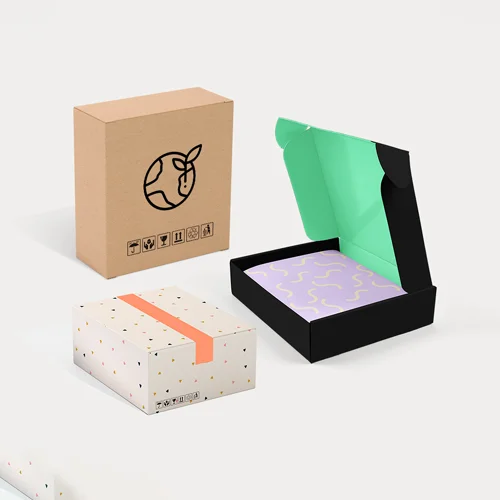
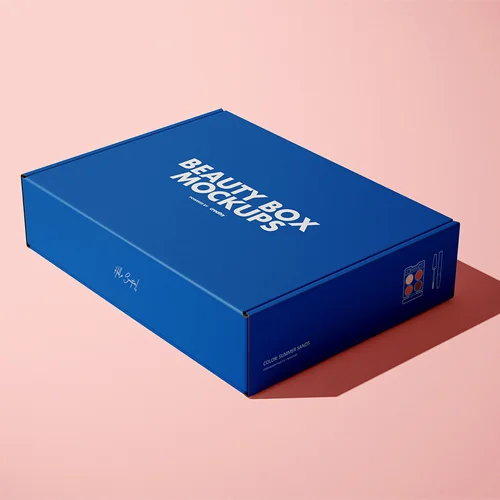
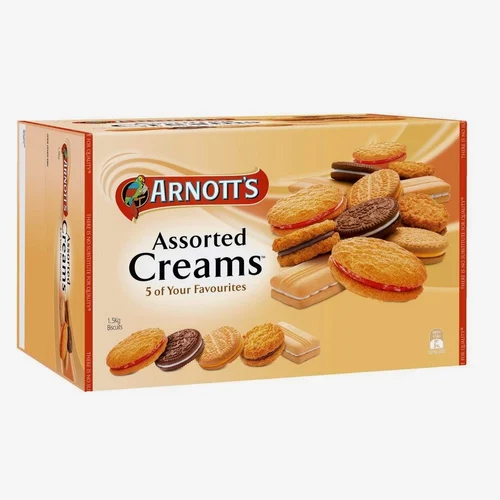
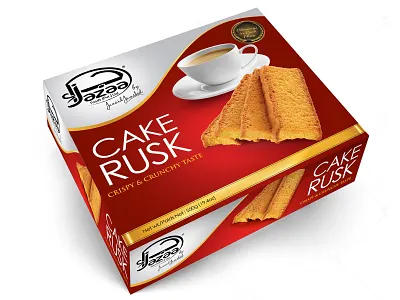
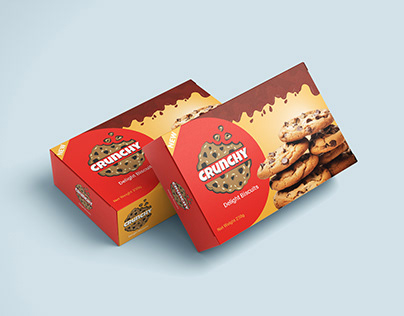
This is one of the most common and versatile options for biscuit packaging boxes. Made from paperboard, these boxes can be printed with high-resolution graphics, offering a fantastic canvas for vibrant branding. They are supplied flat-packed, which saves on storage space, and are easy to assemble. They can be designed with windows to showcase the product or with internal dividers to protect individual biscuits.
Rigid Boxes:
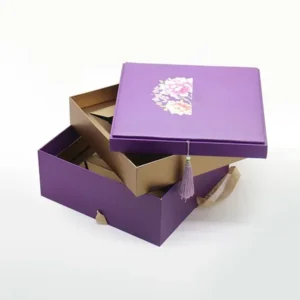
For a premium or gift-oriented product, rigid boxes (also known as set-up boxes) offer a touch of luxury. Made from thick, compressed paperboard, they are incredibly sturdy and have a substantial, high-end feel. They are often used for special occasion biscuit selections and can be enhanced with features like magnetic closures, ribbon pulls, and textured paper wraps.
Flexible Pouches and Bags:
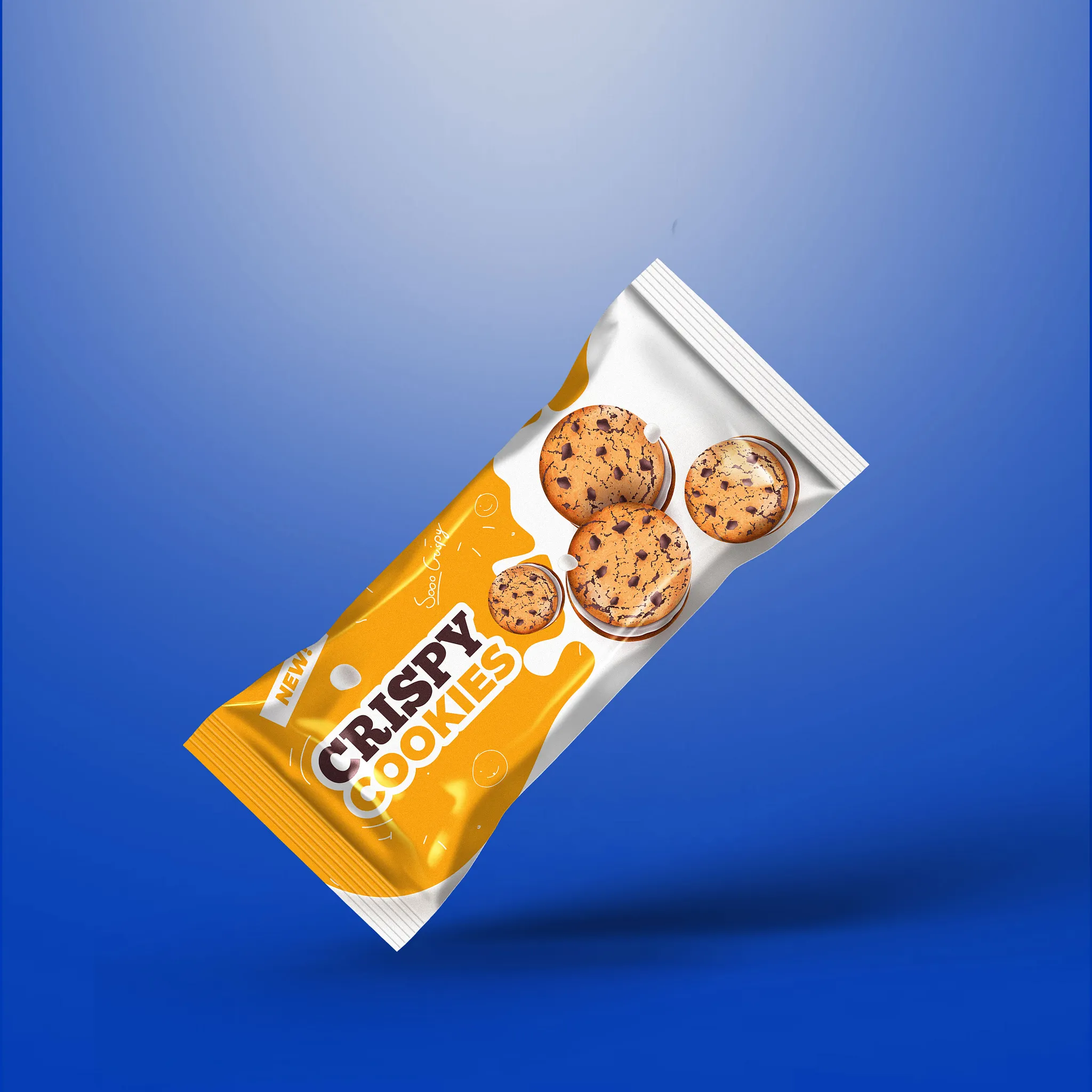
Stand-up pouches and sealed bags are excellent for maintaining freshness. Often made from multiple layers of film, including foil or metallised layers, they provide a superior barrier against moisture and oxygen. They are lightweight, space-efficient, and can be resealable, which is a great feature for products designed for multiple sittings. They offer a large surface area for branding and a modern, convenient feel.
Tins and Tubs:
Metal tins are a classic choice, particularly for shortbread and festive biscuit collections. They offer maximum protection and have a long-lasting, reusable quality that keeps your brand in the customer’s home long after the biscuits are gone. Plastic tubs are a more cost-effective option for larger quantities, often seen in supermarket family packs.
The Power of Customisation and Branding
Your packaging is a silent salesperson. In a retail environment, you have just a few seconds to grab a customer’s attention. This is where branding and design come into play.
Investing in custom biscuit packaging allows you to create a unique identity that separates you from the competition. This goes beyond simply adding your logo. It’s about choosing a colour palette that reflects your brand’s personality—perhaps earthy tones for an organic brand, or bright, playful colours for a family-focused product. The typography, imagery, and overall layout all contribute to the story you are telling.
Consider the unboxing experience. Adding small, thoughtful details can make a big impact. This could be a beautifully printed inner lining, a small story about your bakery printed on the flap, or a simple “thank you” message. These elements create a memorable moment for the customer, fostering a deeper connection with your brand and encouraging repeat purchases and social media shares.
Sourcing Your Packaging in the UK
Finding a reliable packaging supplier is a critical step for any food business. For UK-based bakers, sourcing locally or nationally offers several advantages. When you need to find the right biscuit packaging uk supplier, you benefit from shorter lead times, reduced shipping costs, and better communication throughout the design and ordering process.
Your sourcing strategy will likely depend on the scale of your business. Small start-ups might begin with stock, off-the-shelf packaging that they customise with labels or stamps. This is a cost-effective way to achieve a professional look without committing to large volumes.
As your business grows, buying biscuit packaging wholesale becomes the most economical choice. Purchasing in bulk dramatically reduces the cost per unit, which improves your profit margins and frees up capital to invest elsewhere in your business. A good wholesale partner, such as wholesaleboxes.co.uk, can offer a wide range of materials and styles, provide expert advice on design and functionality, and ensure a consistent supply chain. This partnership is vital for scaling your production without compromising on the quality of your presentation.
Sustainability: A Modern Imperative
Today’s consumers are more environmentally conscious than ever. Your packaging choices are a visible statement of your brand’s values, and using sustainable materials can be a powerful differentiator.
Look for paperboard that is FSC-certified, ensuring it comes from responsibly managed forests. Opt for recyclable and biodegradable materials wherever possible. If you use plastic windows, choose PLA (a plant-based bioplastic) instead of traditional PET. Using water-based or vegetable-based inks for printing is another way to reduce your environmental impact.
Clearly communicating your eco-credentials on your packaging—using symbols for “recyclable” or “compostable”—not only helps customers dispose of the packaging correctly but also aligns your brand with the values of a growing segment of the market.
Frequently Asked Questions (FAQs)
How can I keep my biscuits from breaking inside the box?
The best solution is to use custom-fitted inserts or trays. These are often made from thermoformed plastic or folded card and have individual compartments that hold each biscuit securely, preventing them from moving and knocking against each other during transport. For stacked biscuits, corrugated paper dividers can provide cushioning.
What is the best packaging for ensuring a long shelf life?
For maximum freshness and shelf life, you need packaging with high barrier properties. Flow-wrapped plastic film or sealed foil-lined pouches are excellent choices as they are airtight. If you are using a box, ensure the biscuits are first sealed within an airtight bag or film inside the box.
Are there food-safe standards I need to be aware of?
Yes, all packaging that comes into direct contact with food in the UK must comply with food safety regulations. Materials must be “food-grade,” meaning they do not transfer any harmful substances to the food. Always confirm with your supplier that their products meet these standards.
What is the difference between litho and digital printing for boxes?
Lithographic (litho) printing is a traditional method that uses plates to transfer ink. It produces very high-quality results and is cost-effective for very large print runs (typically thousands of units). Digital printing prints the design directly onto the material, similar to a desktop printer. It is ideal for smaller, custom runs and allows for greater flexibility, but the cost per unit is higher than litho at large volumes.
How can I make my packaging look premium on a small budget?
You don’t need to spend a fortune to achieve a high-end look. Start with a simple, good-quality stock box in a colour like black, white, or natural Kraft. You can then elevate it with cost-effective additions like a professionally designed sticker or label, a branded belly band (a paper sleeve that wraps around the box), or by tying a simple ribbon or twine around it.